

Beyond Knowing: Designing Learning for Real-World Growth
Engaging minds. Empowering people.
Transforming knowledge into action.
Welcome to My Learning Design and Technology Portfolio
My interest in teaching and learning began long before I entered Penn State's Master of Education in Learning, Design, and Technology program. At 19, I started teaching English to first-year college students, and I quickly discovered how rewarding it was to help others learn. Years later, through my work in corporate training and mentorship programs, that early interest grew into a deeper appreciation for adult learning and the difference it can make in people's lives.
I have always believed that learning should be engaging and, whenever possible, fun. But even more importantly, I believe it should be meaningful. The most valuable learning experiences are those that stay with us long after a class or training session ends, influencing how we think and what we are able to accomplish.
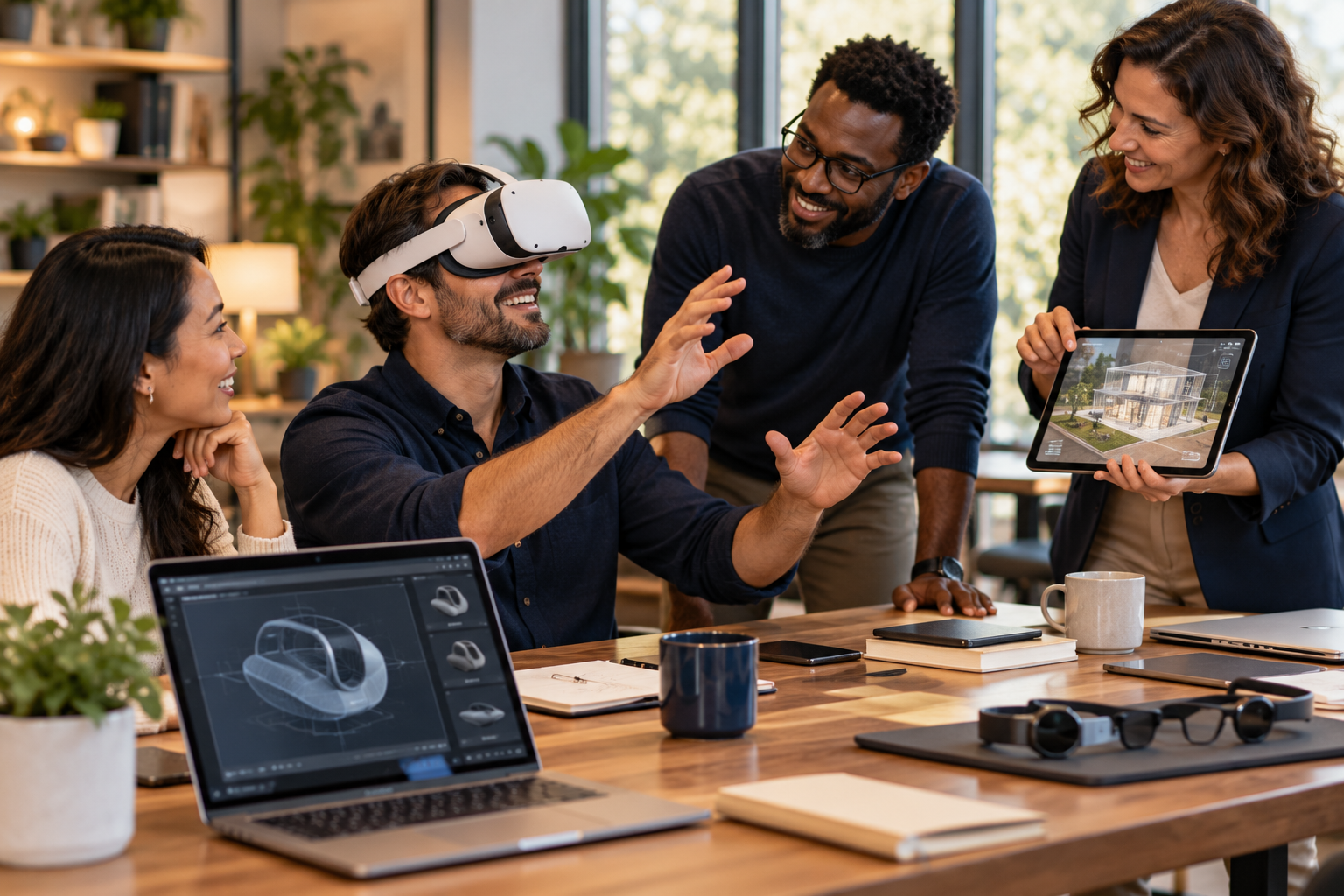
When I applied to Penn State, I was especially excited about exploring how technology could make learning more interactive and effective. My experience in the program has broadened that perspective. I have come to appreciate that the real power of learning design lies not in the technology itself, but in how thoughtfully we use it to help people grow.
This portfolio reflects that journey. It brings together projects that challenged my thinking, encouraged me to experiment with new approaches, and helped shape the kind of learning designer I aspire to become. I hope you enjoy exploring them as much as I enjoyed creating them.


Featured Projects



Capstone Reflective Statement
Technology should serve human learning, not define it.
Conclusion and Looking Forward:
My journey through Penn State University's Master of Education in Learning, Design, and Technology program has changed the way I think about learning and my role as an instructional designer. Throughout the program, I have had opportunities to put learning theories into practice and explore how thoughtful design can make a difference in people's learning experiences.
One of my most important realizations is that effective learning design begins with understanding the learner, not choosing the technology. Through my work on mobile learning, interactive instruction, and gamification, I learned to look beyond the excitement of new tools and ask a more fundamental question: How will this experience help someone learn something meaningful and use it in real life?
My thinking has also shifted from viewing learning primarily in terms of content and assessments to seeing it as an ongoing process. A course may have a clear beginning and end, but learning rarely follows such strict boundaries. Some of the most valuable learning happens afterward, when people try something new at work, reflect on the results, or learn from one another. I now see the instructional designer's role as helping to create opportunities for this kind of continued growth.
Another important part of my development has been becoming more aware of the ethical responsibilities that come with educational technology. As artificial intelligence and immersive technologies continue to evolve, I believe we need to be especially thoughtful about how they influence the learning experience. Innovation is exciting, but it should never come at the expense of human judgment or the learner's ability to think independently. Technology should serve people, not the other way around.
Looking ahead, I am excited to apply what I have learned to corporate learning and leadership development. I am particularly interested in designing experiences that help people become more effective in their professional roles while also growing in confidence and developing stronger connections with others. I want my work to make learning feel relevant and worthwhile, rather than simply another requirement to complete.
This portfolio marks an important milestone in my professional journey, but I also see it as a beginning. I know that my understanding of learning design will continue to evolve as I gain experience and encounter new challenges. What I hope to carry forward is a willingness to keep questioning my assumptions and to approach every new project with genuine curiosity about the people I am designing for.
Above all, I believe the true measure of successful learning design is not simply what learners know at the end of an experience, but what they are empowered to do with that knowledge afterward.